

Advice

Preparation
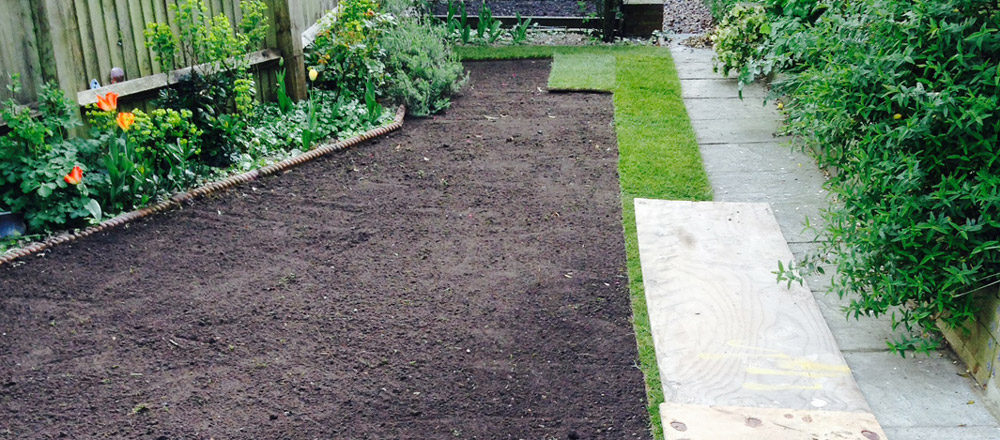
Ground preparation is vital to the future of your new lawn. Unprepared or poorly-prepared ground will never give satisfactory results.
• If you have an existing lawn, remove the existing turf by cutting under it with a spade.
• Rotovate or turn the exposed soil over.
• Ensure the area is completely free of any debris, stones, weeds or old turf.
• Rake and tread the surface to produce a firm level bed.
Turf is a Living Material
Our turf is a cultivated turf that has been grown to high standards. We make every effort to deliver your turf within 24 hours of cutting it. The sooner the turf is laid the better its chance of rapid establishment.
• Keep any rolled turf in a cool shaded area – do not wet or cover the turf as this increases the speed of deterioration.
• Lay it as soon as you can

Excellent service. Ordering was super easy over the phone. I arranged a pickup time and freshly cut turf was waiting ready for me.
Rob
Laying the Turf
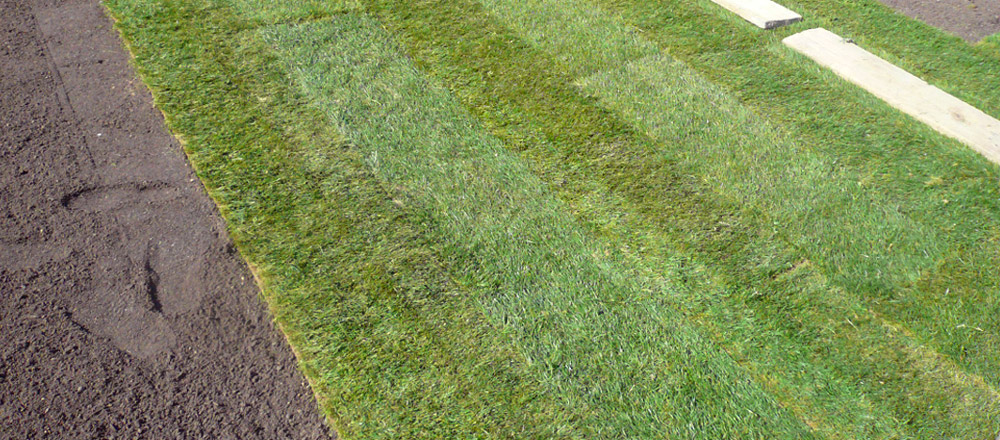
• Start by laying strips of turf around the outside of the lawn area. Avoid using small strips at the edges as these dry out quickly.
• Ensure that the turf has full contact with the soil.
• Lay the first row along the longest straight line and work across the lawn staggering the joints in each row as in bricklaying.
• Butt and push the edges and ends against each other but do not stretch the turf. Use a sharp knife or tool to cut the end of the row. An old hosepipe makes an ideal guide for cutting shapes.
• Avoid walking on newly laid turf; boards should be placed down for walking on or along.

Establishing the Turf
It is really important to water your turf immediately it is laid. During dry conditions water areas that have been laid as soon as possible whilst your project is being completed.
Without adequate water the new root system cannot establish itself quickly by rooting down into its new environment. In the hot, dry weather especially, the newly-laid turf may need saturating immediately after laying and maintained wet for several weeks until fully established. The purchase of a low cost sprinkler system can be a good investment in very dry conditions. Water the turf morning and evening – avoid the midday sun.
The transplanted turf should be established in its new environment within two to three weeks during mild growing weather, and from four to eight weeks in colder conditions.
Mowing
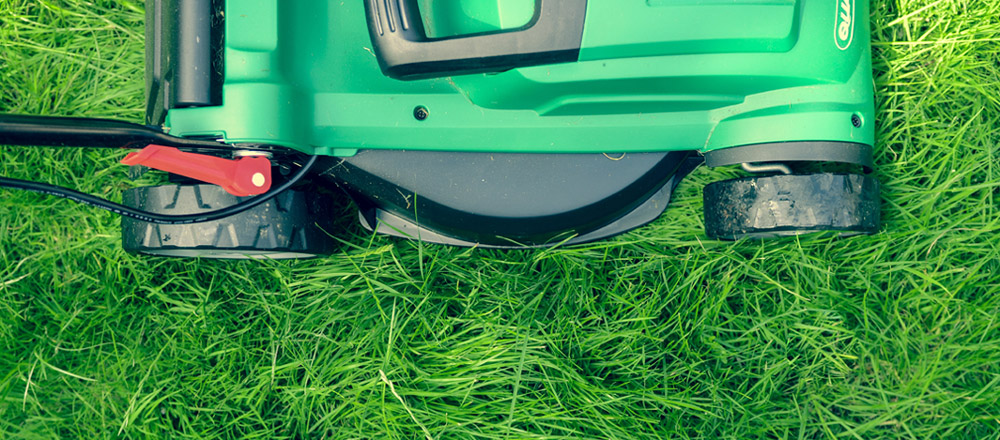
Turf will need mowing regularly. Aim to keep it between 15-
Do not ‘scalp’ your newly laid turf –
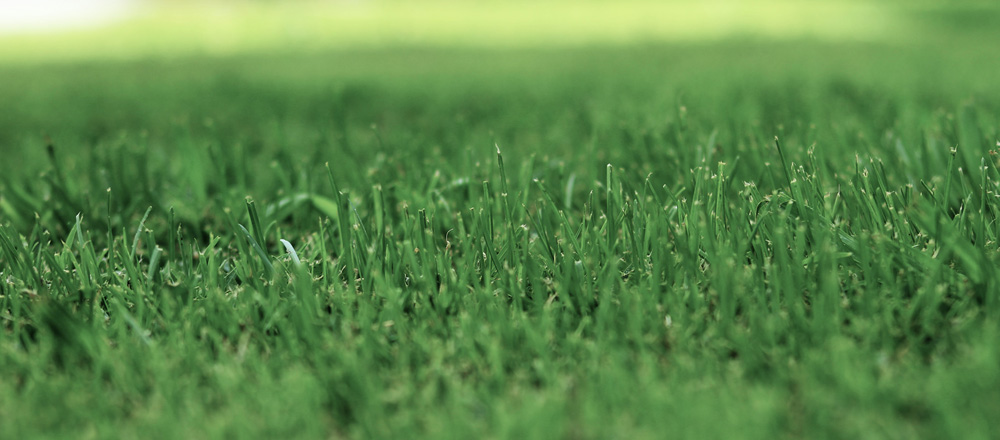
Lawn Aftercare
Depending on the time of year be it Spring, Summer, Autumn, or Winter there are always plenty of jobs to do to take care of your lawn.
Through the winter months of December, January and February remove all leaves, worm casts and debris regularly. It is too late now for seeding, but turfing will still be successful.
In the spring, March is a good time to gradually reduce the mowing height until it reaches the required height. If the weather is warm towards the end of March apply a lawn fertiliser. This is also the time to apply a proprietary liquid lawn weed killer as a separate operation to the fertiliser.
April is the time to reseed any bare patches on your lawn. Dead grass or thatch should be raked out in the spring. By May the lawn will require mowing regularly, little and often is preferable to a severe cut.
As summer approaches June can sometimes be hot. In dry weather trim less frequently and set the mower blades a little higher. If your lawn needs water use a sprinkler in the morning and evening, a good soaking as often as required. If the lawn is showing signs of wear, a summer lawn fertiliser can be applied.
As we approach the Autumn months, scarify to remove thatch, and apply lawn fertiliser in September. Apply a seaweed-based lawn tonic with iron. In November, only trim the grass if it I still growing. Remove any fallen leaves worm casts and other garden debris.